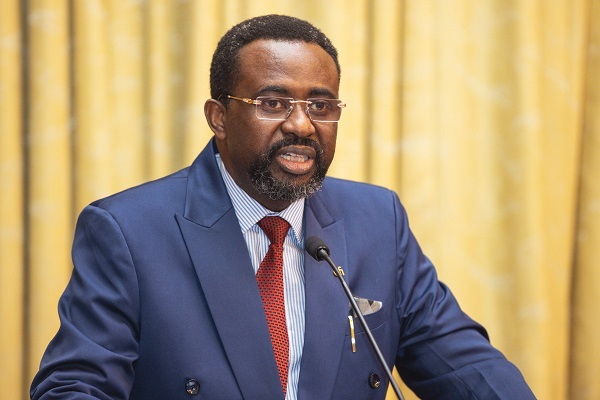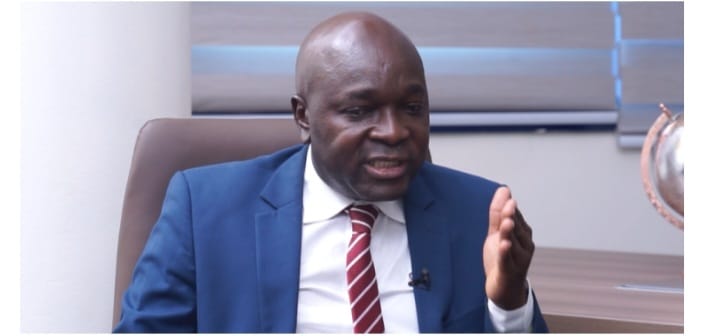


Parliament has put the brakes on the fast-tracked Ghana Scholarship Authority Bill 2025, following a rising wave of public backlash and pressure from civil society.
The decision was announced on Thursday, July 17, during a clause-by-clause review of the bill, which aimed to restructure the country’s national scholarship scheme—but was being pushed through under a certificate of urgency.
Critics—including the influential Citizens’ Coalition—warned that rushing such a sweeping reform risked bypassing the transparency and public accountability it was supposed to promote.
“We’ve heard the concerns, and we’re hitting pause,” Education Minister Haruna Iddrisu told Parliament. He revealed that the Presidency had stepped in, urging further consultation before lawmakers proceed.
“The Office of the President related to me some concerns that have been communicated,” Iddrisu said. “So I sought the chairman’s indulgence to stay consideration of the bill for now.”
Engagements with stakeholders are already underway, the Minister added, pointing to a July 15 meeting with education-focused civil society groups. “This bill was extensively discussed at the Cabinet level,” he said, suggesting that the process had been thorough—but not thorough enough for the public.
The bill’s defenders argue it would bring much-needed structure and transparency to scholarship administration. But civil society leaders and education advocates say the process lacked openness and ignored grassroots voices.
“This isn’t just a policy issue—it’s about fairness, access, and trust,” said one education policy expert who spoke to HuffPost Ghana. “People want to be part of shaping how the country supports its students.”
Chairman of Parliament’s Education Committee, Peter Nortsu-Kotoe, maintained that the bill was well-intentioned and rooted in accountability. Still, the decision to halt its progress is seen as a win for participatory governance.
What’s next? Lawmakers say they’re open to revising the bill—this time with broader input from civil society, education professionals, and the public.
For now, the bill is off the table. But its future—along with the future of scholarship access in Ghana—is far from settled.